
How to Choose the Right Standing Desk or Height-Adjustable Frame
Choosing the right height-adjustable desk starts with understanding your workspace needs and project requirements. Identify the right desk solution first, then compare the configurations that fit your application.
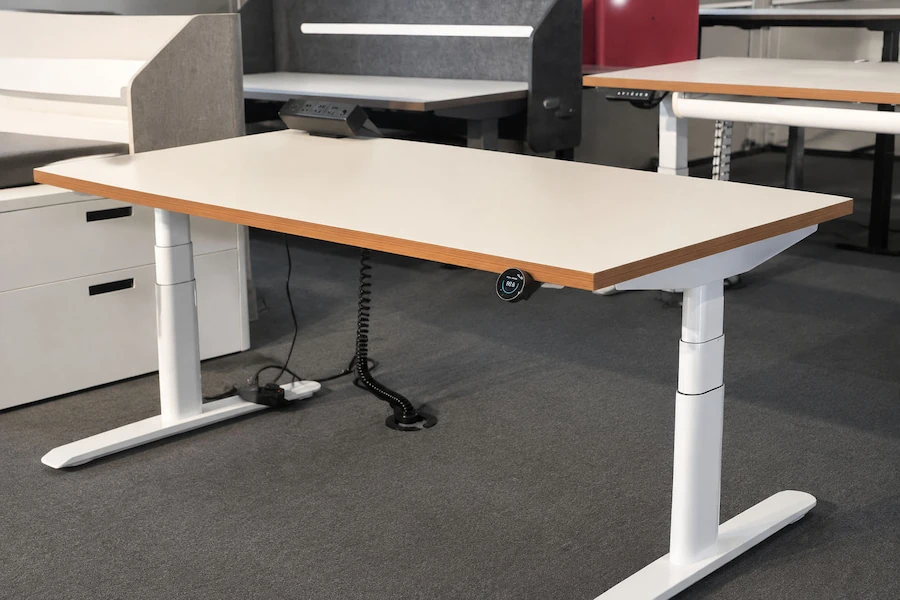
Single-User Workspace
For single-user workstations, selection depends on workspace layout, desktop requirements and daily equipment needs.
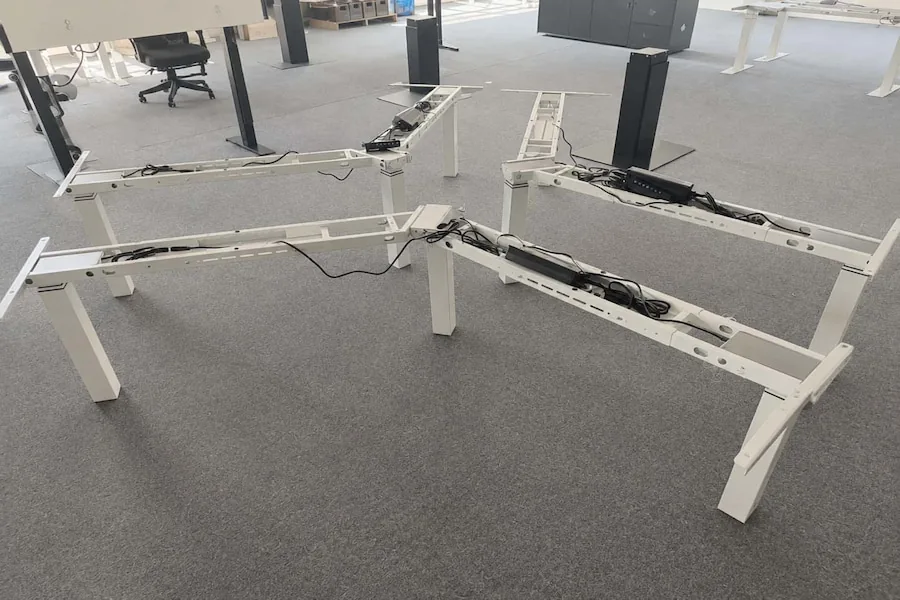
Frame-Based or Workstation Layout Solution
For projects using an existing desktop, L-shaped desks, workstations or multi-user layouts where the workspace arrangement determines the required configuration.
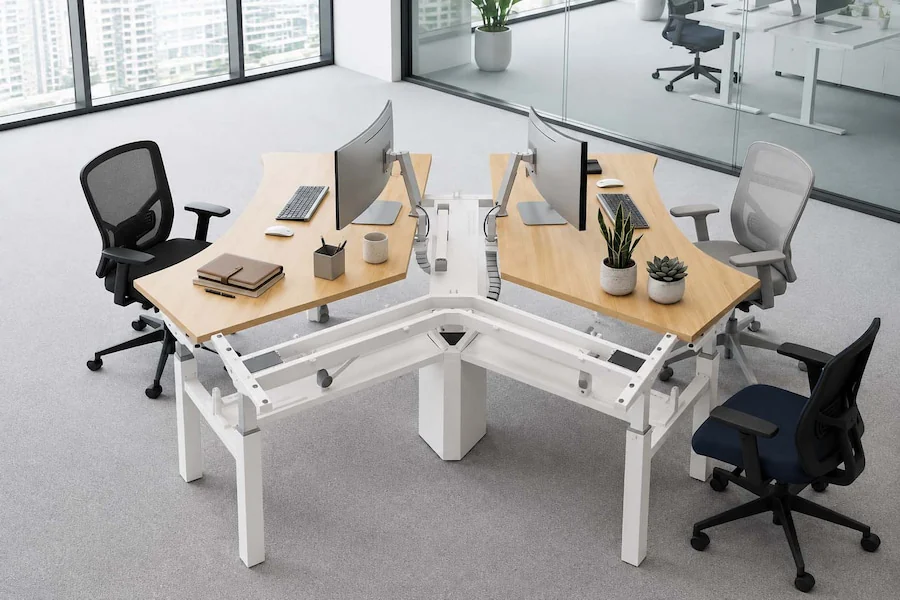
Complete Desk Solution
For projects where the desktop and lifting system are supplied together as one complete workstation solution.
Compare Solutions Based on the Same Requirements
Compare solutions with the same supply scope and application purpose.
A frame solution, complete desk and layout-based workspace should not be evaluated as the same type of offer.
See What Changes Your Shortlist
Turn Your Requirements into a Shortlist
The right choice is the solution that fits your workspace, user needs and project requirements—not simply the one with the most features.
Use these requirements to identify which solutions fit, which should be excluded and which require further review.
Workspace & Equipment
Desktop size, equipment placement and moving equipment can affect frame selection and compatibility requirements.
User Requirements
Required seated and standing positions determine the usable height range needed for the application.
Usage Pattern & Control Requirements
Usage frequency, operating conditions and required functions influence the suitable configuration.
More motors, additional column stages or more functions do not always mean a better solution.
Market & Project Requirements
Target market, electrical requirements and project conditions can affect whether a solution is suitable.
A strong shortlist matches the real application and makes the remaining questions clear.
Check Compatibility and Market Fit

Check Product Compatibility and Market Requirements
Once your requirements are defined, check whether the selected configuration fits the desktop, workspace, equipment and destination market requirements.
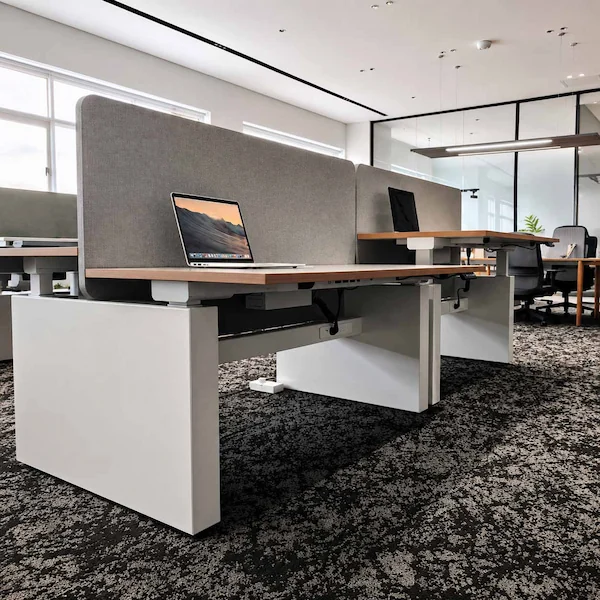
Decision Status
Proceed
— Key fit requirements are clear and the solution matches the intended application and market.
Hold
— Important product or configuration information is still unclear.
Further Review
— The available information is sufficient, but compatibility, electrical fit or information applicability requires additional confirmation.
Prepare the Information Needed for the Next Step
Once the solution direction is clear and generally fits the requirements, continue based on the decisions already made. The following information can help prepare for the next discussion.
Choose the Right Next Step
Choose the Right Next Step
Once you have completed the initial shortlist and defined part of your project requirements, choose the next step based on the questions that still need to be resolved.
The right next step depends on the question you still need to resolve—not on a generic contact action.